- Your child struggles with chronic neurological challenges: autism, ADHD, anxiety, seizures, PANS/PANDAS, sensory, chronic gut issues.
- You have exhausted the medical system and come out with labels, but no root-cause answers and no drug-free action steps.
- You have already tried diet, supplements, and detoxes.
- You want the daily struggles to get better, not just the diagnosis.

Who this is for
If this sounds like your family
Presenter cutout zone
(kept clear)
(kept clear)

A Van Every family
Joanne's son,
before and after care.
A Montessori principal trusted her gut on her son's sensory struggles and stayed consistent with care.
Presenter cutout zone
(kept clear)
(kept clear)
Presenter cutout zone
(kept clear)
(kept clear)
Before we begin
We support the root cause.
Neurologically-Focused Chiropractic Care. We are a proud, PX Docs affiliated office.
Presenter cutout zone
(kept clear)
(kept clear)
Tonight, we will answer five questions
The roadmap for tonight
- 1. What is the real root cause of my child's challenges?
- 2. What the heck is the Perfect Storm?
- 3. What role do birth trauma, the vagus nerve, antibiotics, and the brain-gut connection play in all of this?
- 4. Why don't medical doctors know this and tell parents about it?
- 5. What drug-free action steps can I take to get my child and my family out of the storm and help them reach their full potential?
Presenter cutout zone
(kept clear)
(kept clear)
What we are up against
The trend is rising
1 in 4
kids has a chronic illness
1 in 6
has sensory issues
1 in 36
is diagnosed with autism
Presenter cutout zone
(kept clear)
(kept clear)
The missing key
One foundational key keeps getting missed
- The medical world, and even much of the natural-health world, is missing one foundational key: the nervous system.
- It is not simply genetics. Across the neurologically struggling kids in our PX network sample, only about 10% had an obvious genetic variable; the rest were driven by environmental factors, and our genes take thousands of years to change.
- It is not only toxic load either, things like gluten, casein, environmental toxins, and vaccines among them. In the cases observed across the PX Docs network, toxic load was the dominant factor in only about 20 to 30%, and those exposures have been around for generations.
- The bigger driver: traumatic stress on the nervous system early in life.
Presenter cutout zone
(kept clear)
(kept clear)
It is all connected
Not separate problems in separate silos
- Autism, ADHD, anxiety, seizures, gut and immune issues are not separate problems in separate silos.
- One system links the brain and body and runs digestion, immunity, motor tone, sleep, speech, and emotion: the central and autonomic nervous system.
- Medicine sends these to separate specialists and misses the forest for the trees.
Presenter cutout zone
(kept clear)
(kept clear)
A fair frame
An incomplete system, not bad people
Our acute and trauma care is the best in the world. Ironically, that same system can be among the weakest at chronic care. The doctors are not bad people, they are doing the best they can inside an incomplete system, because they were never taught to look at the nervous system as the cause. We are simply adding the missing piece.
Presenter cutout zone
(kept clear)
(kept clear)
Parents, you have options
Three real paths (you have a choice)
01
Traditional Medical
Pediatrician, neurologist, geneticist, gastroenterologist. Excellent at acute and trauma care. Often labels without a root-cause answer.
Has its place02
Functional / Integrative
Diet, supplements, detoxes, the gut and the microbiome. Helpful and important, but works from the outside in.
Downstream03
Neurologically-Focused
Start at the nervous system itself, the source. Gentle, drug-free care that supports regulation from the inside out.
The root causePresenter cutout zone
(kept clear)
(kept clear)
What parents tell us
Has anyone ever told you about the nervous system?
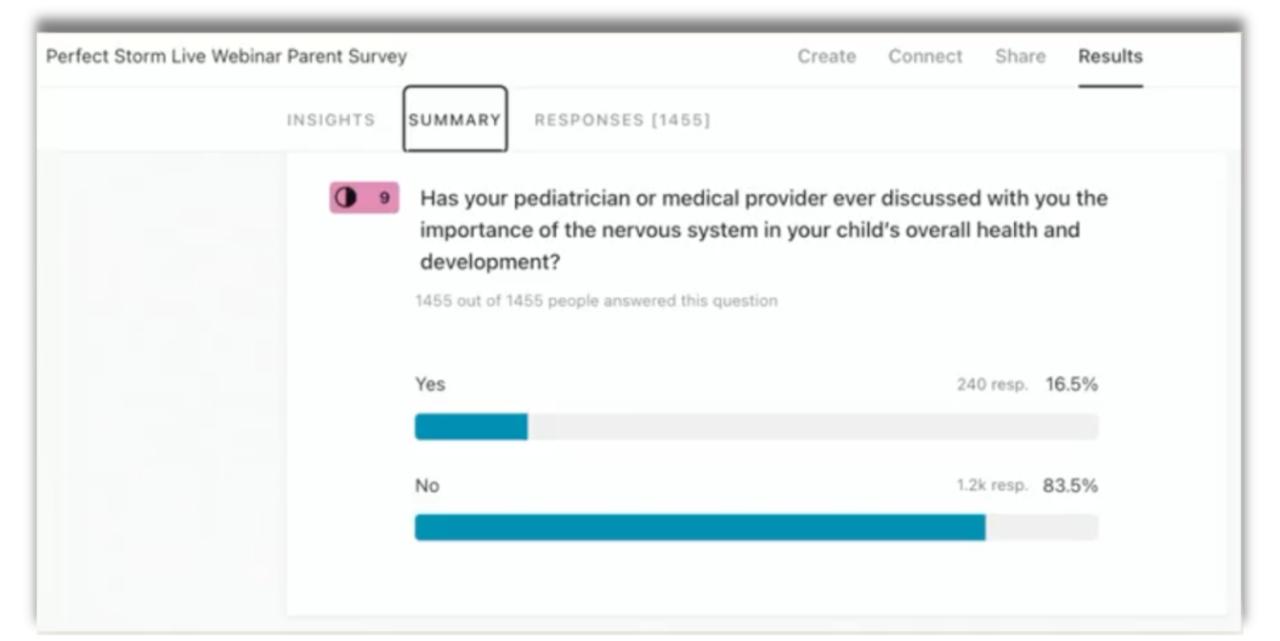
When we ask parents whether a pediatrician or medical provider ever discussed the nervous system's role in their child's health and development, the answer is almost always no. It is not the third path most families are ever shown.
Presenter cutout zone
(kept clear)
(kept clear)
“
It is called the Perfect Storm because there is not just one thing driving the rise in ADHD, autism, sensory challenges, seizures, and chronic illness. It is a multitude of things, but there is a pattern, a missing link the system is not picking up.
The pattern is what we are here to find.
Presenter cutout zone
(kept clear)
(kept clear)
?
The Missing Link
The Moonwalking
Bear
A quick attention test. Count the passes, and watch what almost everyone misses.
Presenter cutout zone
(kept clear)
(kept clear)
Presenter cutout zone
(kept clear)
(kept clear)
“
It is easy to miss something you are not looking for.
You cannot find what you do not know you are looking for.
Presenter cutout zone
(kept clear)
(kept clear)
The point of the demo
The nervous system is the bear
Everyone gets the number of passes right, and almost no one sees the bear walk through. That is the whole point. The nervous system is the bear the medical system was never told to watch for. Once you know to look, you cannot un-see it.
Presenter cutout zone
(kept clear)
(kept clear)
What is the Perfect Storm
The sequence of stressors and sickness
- 1. Prenatal emotional stress (documented in a majority of these cases).
- 2. Birth intervention (present in roughly 80%): C-section, forceps, vacuum, induction.
- 3. The stressed, colicky, constipated baby who cannot settle or sleep.
- 4. The sensory, frequently-sick toddler with reflux, ear infections, and reactions.
- 5. The hyperactive or emotionally-stuck child: where autism, ADHD, and anxiety labels arrive.
- 6. The anxious or depressed teen (now about 1 in 3).
- 7. The burnt-out adult still carrying the same dysregulated nervous system.
Presenter cutout zone
(kept clear)
(kept clear)
The honest line
They do not grow out of it.
They grow into a new diagnosis.
The same root issue just changes its name as the child grows.
Presenter cutout zone
(kept clear)
(kept clear)
The cascade, named at every step
Same storm, different name
Can't turn head
→
Poor latch
→
Drainage backs up
→
Ear infections
→
Antibiotics
→
Ear infections again
→
Antibiotics again
→
Ear tubes
→
Adenoids / tonsils out
→
Immune + gut take a hit
→
Asthma
→
Allergies
→
Gut issues
The colicky, constipated, cannot-sleep baby is often the fifth-grader with ADHD. Same storm, different name.
Presenter cutout zone
(kept clear)
(kept clear)
Perfect Storm · Grade School
The colicky baby is the fifth-grader with ADHD
By grade school, the early storm has a new name. The baby who could not turn his head, who was colicky and constipated and could not sleep, is now the child who cannot sit still, cannot focus, melts down at transitions. Same storm, new label. And it is never too late to support the system underneath.
Presenter cutout zone
(kept clear)
(kept clear)
Analogy · Drainage and plumbing
Things have to be able to come out
The body is endlessly complex, but a lot of it comes down to something simple: drainage and plumbing. When the parasympathetic side is down, the drainage backs up, and that is when the ears and sinuses keep getting infected. Support the nervous system, and the plumbing starts to drain again.
Presenter cutout zone
(kept clear)
(kept clear)
In four words
Stress, stuck on.
That phrase is the whole talk in miniature. Keep it in mind as we go.
Presenter cutout zone
(kept clear)
(kept clear)
“
The function of the nervous system is to perceive the environment and control behavior.
Dr. Bruce Lipton
Presenter cutout zone
(kept clear)
(kept clear)
The universal sequence
Perception, coordination, behavior
- Perception is the input. Coordination is the processing. Behavior is the output.
- Scramble the body's ability to perceive, and the coordination is off, so the behavior everyone sees downstream is off too.
- When a child is misbehaving, they are often responding to misinformation in the nervous system.
Presenter cutout zone
(kept clear)
(kept clear)
The root metaphor
The body responds perfectly to its own perception
The body is not malfunctioning. It is responding exactly right to the information it is getting. Change the information, through the nervous system, and the response changes. This idea sits underneath everything else in this talk.
Presenter cutout zone
(kept clear)
(kept clear)
Two halves of the autonomic system
The gas and the brake
01
Sympathetic (Gas)
Fight-or-flight. Alert, defend, react. Essential in short bursts, exhausting when stuck on.
Too much02
Parasympathetic (Brake)
Rest, digest, heal, regulate. The calm-and-grow side, carried largely by the vagus nerve.
Too little03
The hallmark
In these kids: too much gas, too little brake. A nervous system stuck in defense instead of growth.
The patternPresenter cutout zone
(kept clear)
(kept clear)
Altered Perception (Subluxation) = Altered Function
When neuro-motor input is altered, everything shifts
01
Motor 💪
Tone, coordination, milestones. The motor system is the foundation the rest is built on.
02
Gut 💩 · Immune 🤒
Digestion and roughly 70% of the immune system, both run by the nervous system.
03
Speech 🗣 · Brain 🧠
Brains are built bottom-up, back-to-front, over time. Alter the input and development shifts.
Presenter cutout zone
(kept clear)
(kept clear)
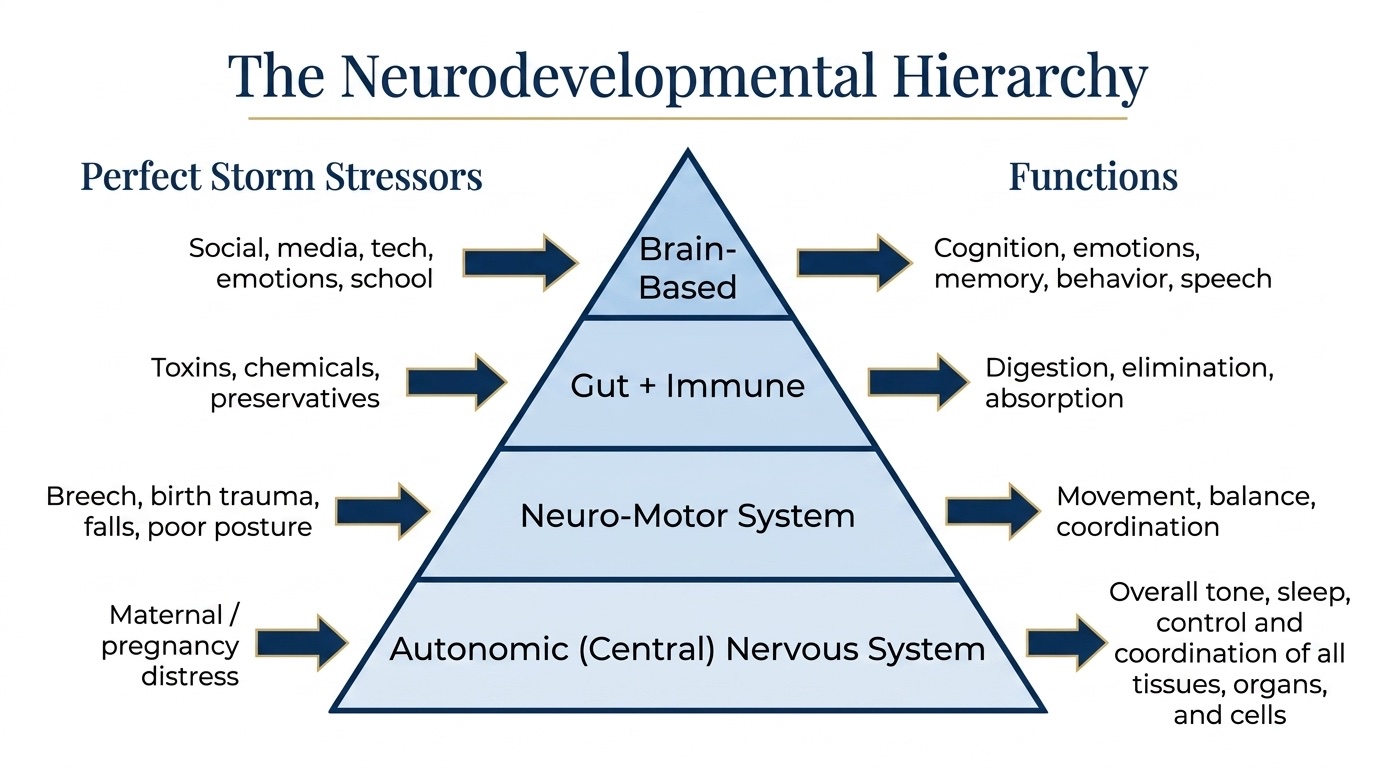
Built from the bottom up
The neurodevelopmental hierarchy.
Development is built like a pyramid: foundation first, higher skills last.
Presenter cutout zone
(kept clear)
(kept clear)
Presenter cutout zone
(kept clear)
(kept clear)
Harvard Center on the Developing Child
Neural connections develop in sequence
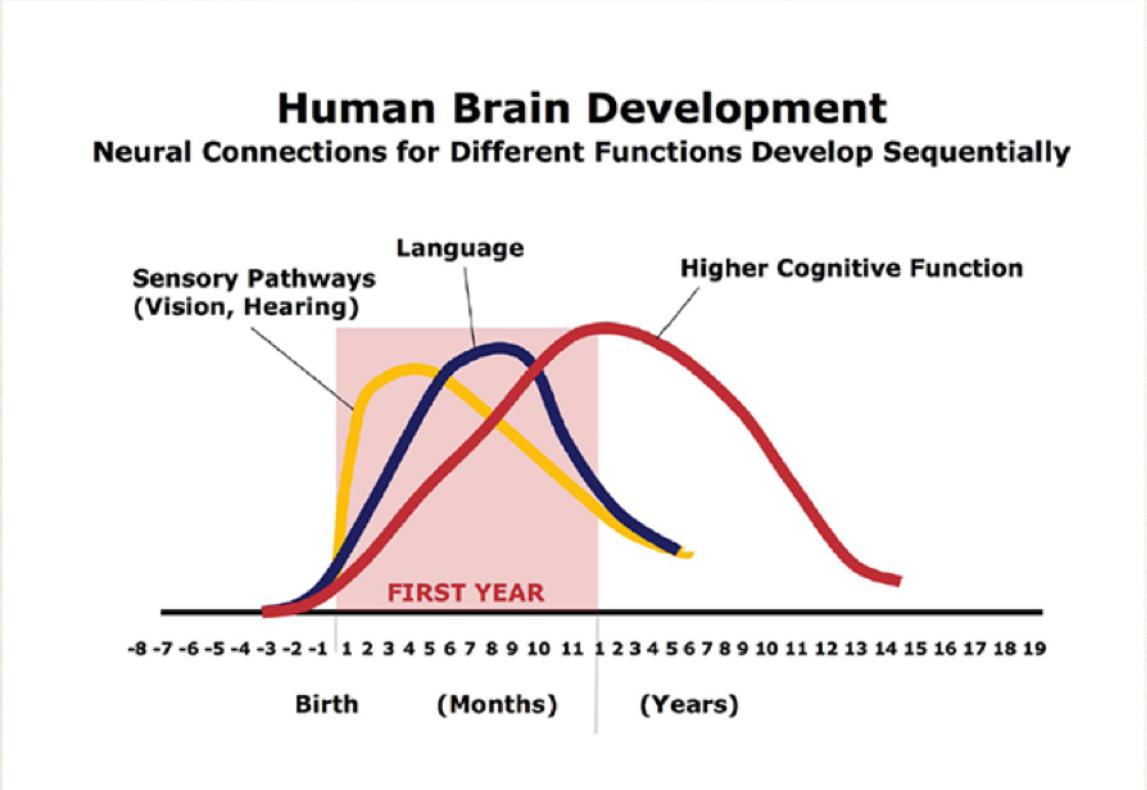
The brain is built in a sequence: sensory pathways (vision and hearing) peak earliest, around ages 3 to 4, then language around 7, then higher cognition around 11 to 12. Early disruption shifts everything built after it.
Presenter cutout zone
(kept clear)
(kept clear)
Harvard Center on the Developing Child
Persistent stress changes brain architecture
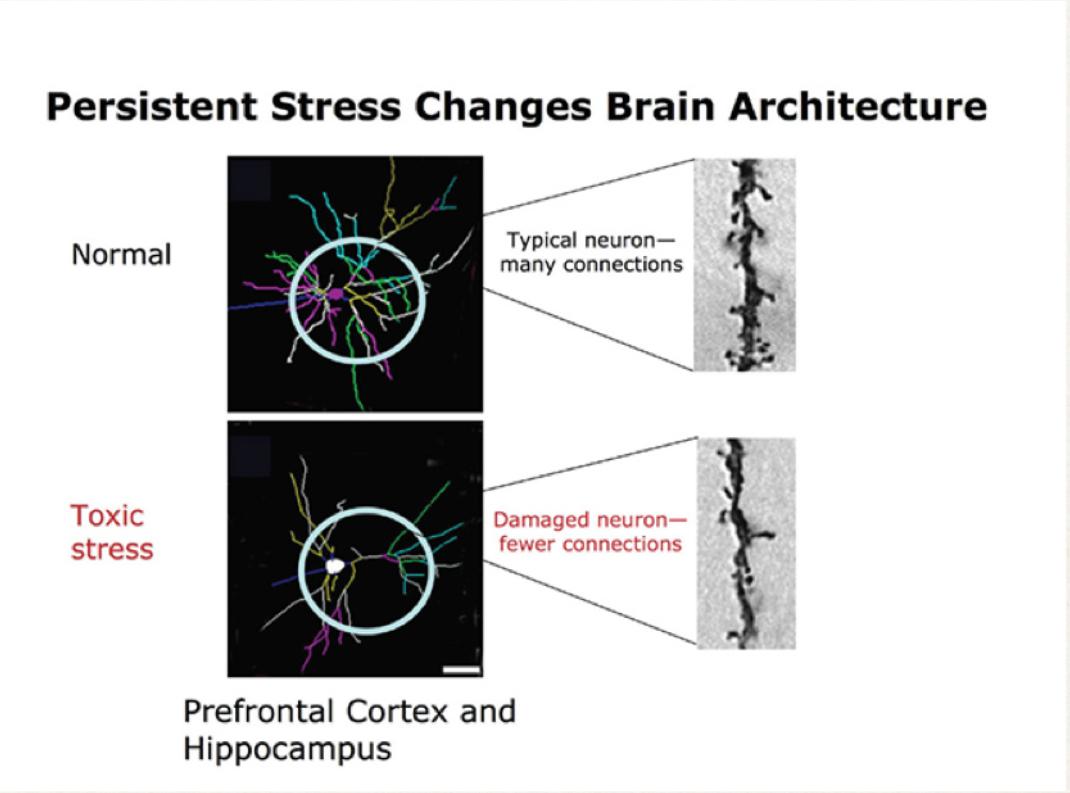
Persistent, unrelieved stress measurably changes the architecture of the developing brain, especially the prefrontal cortex (higher reasoning) and the hippocampus (focus, attention, and memory). This is not behavior, it is structure.
Presenter cutout zone
(kept clear)
(kept clear)
The Perfect Storm
The Perfect Storm Algorithm
How much stress (the 3 Ts)? When did the stress occur? That equals how much care, for how long.
Presenter cutout zone
(kept clear)
(kept clear)
3
The Storm
Three stressors,
one storm
Three stressors that, stacked together, dysregulate a developing nervous system.
Presenter cutout zone
(kept clear)
(kept clear)
The Perfect Storm
Three stressors, one stacked result
01
Prenatal & Maternal Stress
A high-stress pregnancy can begin to dysregulate baby's nervous system in utero. The cord can carry cortisol and stress markers, not just nutrients.
Never about blaming moms02
Birth Trauma & Intervention
C-section, forceps, vacuum, induction. Normalized, but can stress and injure the upper neck and brainstem.
Subluxation begins03
Toxins & Medication Load
Antibiotics, Miralax, nebulizers and everyday toxins. Often the straw on an already-stressed system.
The tipping pointPresenter cutout zone
(kept clear)
(kept clear)
Stressor 1
Prenatal and maternal stress
- A high-stress or high-risk pregnancy can begin to dysregulate baby's developing nervous system in utero.
- Stress on mom's system can cross to baby. The cord can carry cortisol and stress markers, not just nutrients.
- The hallmark of these conditions, too much fight-or-flight tone, often starts here.
- This is never about blaming moms. Mom often needed that care. We only look back so that we can be as effective as possible going forward.
Presenter cutout zone
(kept clear)
(kept clear)
The toxic load starts early
Before the baby is even born
~287
chemicals found in the cord blood of healthy newborns
~180
of them known carcinogens (matches the well-known 2005 study)
Presenter cutout zone
(kept clear)
(kept clear)
Stressor 2
Birth trauma and intervention
- Interventions (C-section, forceps, vacuum, induction) have been normalized, but can stress and injure the upper neck and brainstem.
- In a large share of the toughest neurological cases, there is a significant birth intervention in the history.
- This creates subluxation: misalignment, tension, and neurological interference in the upper cervical spine and brainstem, the air-traffic-control for the whole nervous system.
Presenter cutout zone
(kept clear)
(kept clear)
C-section trend
More than one in three births
6% → 32%+
C-section rate, mid-1970s to today, and still rising
~80%
of C-section children showed sensory differences in one small study
Cesarean delivery has gone from a rare intervention to more than one in three births, and it is still climbing. Every one of those is a normalized, but real, stressor on a newborn nervous system.
Presenter cutout zone
(kept clear)
(kept clear)
The Moonwalking Bear, again
Watch what a typical birth
asks of a newborn.
Like the bear, it is easy to miss until you know to look.
Presenter cutout zone
(kept clear)
(kept clear)
Presenter cutout zone
(kept clear)
(kept clear)
What to notice
The torque lands on the brainstem
Notice the pulling and torque through the upper neck and brainstem, the air-traffic-control of the whole nervous system. Like the Moonwalking Bear, once you know to look, you cannot un-see it.
Presenter cutout zone
(kept clear)
(kept clear)
The first big stressor
What that pulling lands on
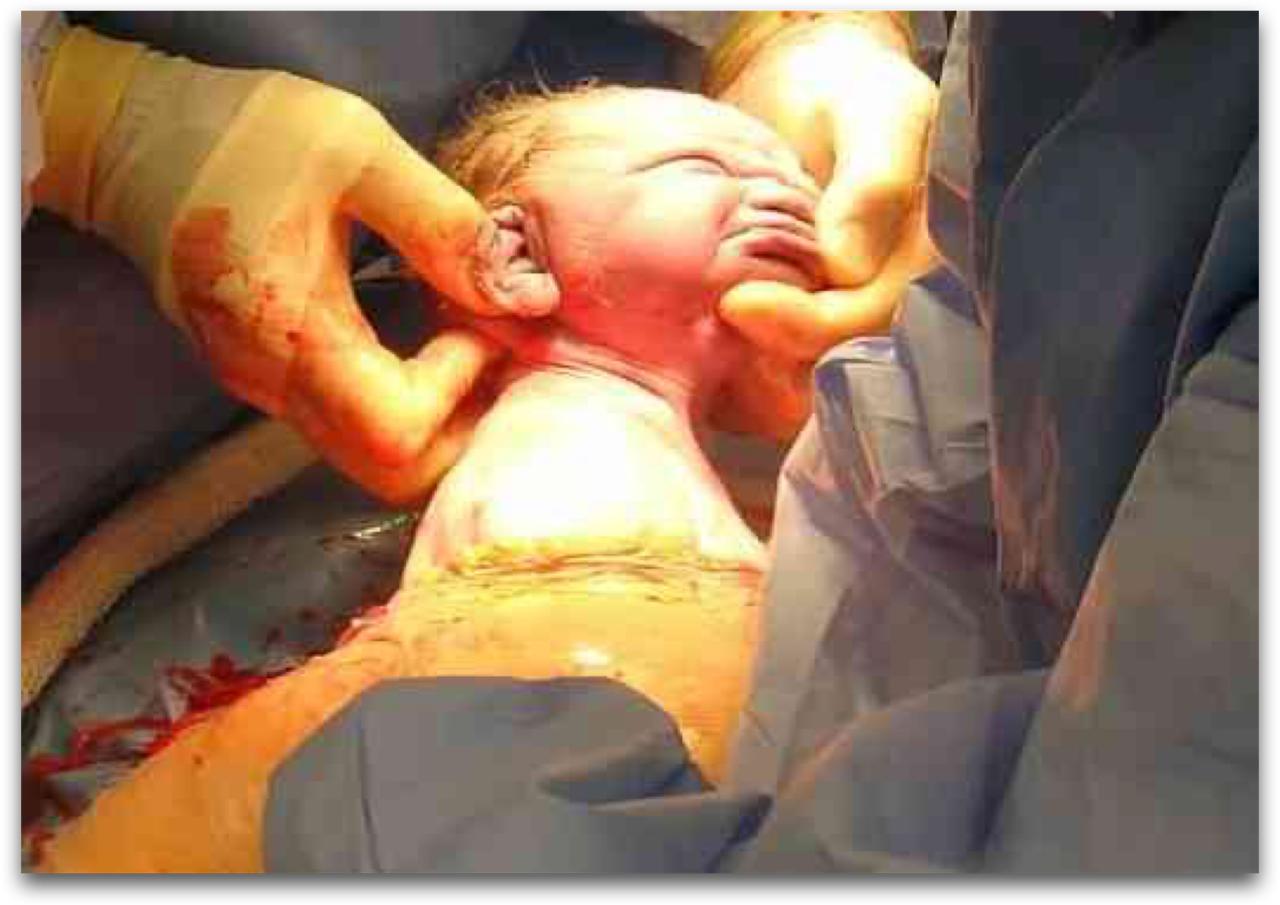
Moments after delivery. The same torque you just watched lands on the upper neck and brainstem of a brand-new nervous system. This is why we look there first, gently, in every newborn.
Presenter cutout zone
(kept clear)
(kept clear)
Somatic Dysfunction (Subluxation)
Birth itself is the first stressor
A 2015 study examined 100 healthy newborns within hours of birth. They found somatic dysfunction — the medical term for spinal and cranial restriction — in 99 of 100 infants. Cervical motion restriction alone was present in 91%. These were healthy babies. Birth is the stressor. Waddington et al., Journal of the American Osteopathic Association, 2015
Presenter cutout zone
(kept clear)
(kept clear)
Signs parents recognize
It is not only birth
- The nursing-side tip: a baby who nurses happily on one side and fights the other often has something going on in the neck. We have two sides for a reason.
- Everyday hidden trauma: learning to walk and ride a bike is falling over and over.
- Hours a day in car seats and bouncers add up on a little spine. The home videos that are funny to everyone else can be cringe-worthy to a pediatric chiropractor.
Presenter cutout zone
(kept clear)
(kept clear)
Stressor 3
Toxins and medication overload
- Antibiotics (especially in the first two years), Miralax, nebulizers, plus everyday environmental toxins, often used instead of addressing the root cause.
- In a nervous system already stressed and less resilient, these become the straw that breaks the camel's back.
- Toxins matter, but usually the storm was already brewing underneath. This is factual, not anti-medicine. Medication has its place.
Presenter cutout zone
(kept clear)
(kept clear)
Early antibiotics
In an already-stressed system
2×
rise in allergies and asthma linked to antibiotics before age 3
Source: Ahmadizar et al., Allergy 2018;73(5):971–986.
24 mo
antibiotics in the first 24 months can affect neurocognitive outcomes at 11
Source: Slykerman et al., Psychopharmacology 2019;236(5):1573–1582.
Presenter cutout zone
(kept clear)
(kept clear)
The anatomy of the storm
Contributing factors, across the cases we see
~50%+
documented major prenatal stress
~80%
some form of birth trauma or intervention
~10%
genetics as the major variable
Presenter cutout zone
(kept clear)
(kept clear)
Subluxation, defined
Not just a bone out of place
From a Neurologically-Focused viewpoint, subluxation is misalignment, tension, and restricted motion in the neurospinal system that interferes with communication between the brain and body. It disrupts the body's ability to regulate and adapt, shifting the autonomic system out of balance. Not just a structural issue in the spine, a deeper disruption in the body's ability to communicate, adapt, and heal.
Presenter cutout zone
(kept clear)
(kept clear)
The effects of subluxation
The neuro fuse: one spine, system-wide
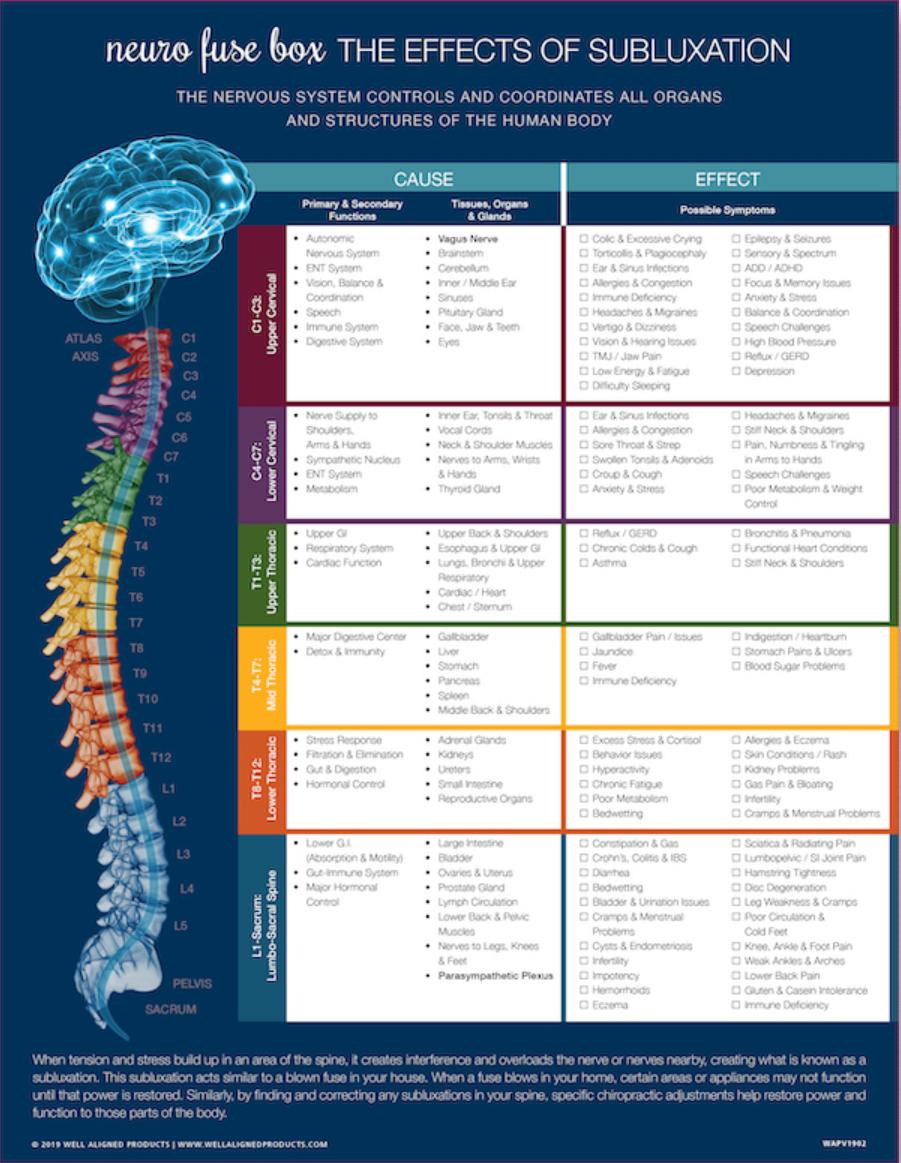
A cause-and-effect map of the spine: tension at a given level can echo out into digestion, immunity, focus, sleep, and tone. Each level connects to specific organs and systems.
Presenter cutout zone
(kept clear)
(kept clear)
Where it matters most
The brainstem is air-traffic control
Tension in the upper neck and brainstem alters the signal for the whole nervous system. "Are you talking about a bone, like T1 or T2?" Not really the bone. The brainstem and the flow of information through that area. Tension there alters the signal. This is the line that separates this work from structural, bone-popping chiropractic.
Presenter cutout zone
(kept clear)
(kept clear)
Say it plainly
Subluxation =
Stress, stuck on.
The hallmark: too much sympathetic tone, too little vagal calm.
Presenter cutout zone
(kept clear)
(kept clear)
The result
Subluxation to dysautonomia
Subluxation of that area shifts the child into dysautonomia: too much sympathetic (fight or flight), too little parasympathetic and vagal (rest, digest, heal, regulate). When the vagal side is suppressed, the system cannot calm, soothe, digest, communicate, or regulate, all essential for development.
Presenter cutout zone
(kept clear)
(kept clear)
How subluxation progresses
The 3 progressive stages of subluxation
01
1 · Dominance
Sympathetic fight-or-flight dominance. The gas pedal is stuck on and the brake pedal is shut down.
Gas on, brake off02
2 · Disorganization
Neurological disorganization, dysfunction, and confusion. The signals stop coordinating cleanly.
Signals scramble03
3 · Exhaustion
Neurological exhaustion, depletion, and depression. The system has run in defense so long it runs low.
The tank runs lowPresenter cutout zone
(kept clear)
(kept clear)
Analogy · Two rivers
“
Proprioception (good movement input) and nociception (stress input) are two rivers feeding the brain, and the louder one wins.
In these kids the stress river is Metallica at full blast and the calm river is quiet elevator music. We turn the calm one back up.
Presenter cutout zone
(kept clear)
(kept clear)
Motion is the fuel
Why these kids go hunting for motion
The nervous system runs on motion. That is how the information flows, and a large share of that movement signal comes from the upper neck and brainstem, an area especially dense with movement sensors. When that area is locked up, kids go hunting for the motion elsewhere: the tapping, the toe-walking, the chewing, the teeth-grinding. Those are recruitment attempts, not just quirks.
Presenter cutout zone
(kept clear)
(kept clear)
A core principle
You cannot be in growth and protection at the same time.
A nervous system stuck in defense has no resources left for development.
Presenter cutout zone
(kept clear)
(kept clear)
Bruce Lipton
Growth or protection, never both at once
A body in protection (gas, sympathetic) cannot also be in growth (brake, parasympathetic). A system held in defense spends its resources surviving, not developing. Our work is to help it feel safe enough to grow again.
Presenter cutout zone
(kept clear)
(kept clear)
5
Next Section
The 5 D's of
Subluxation
It starts with disintegration: one stress, left in place, progresses step by step through the system.
Presenter cutout zone
(kept clear)
(kept clear)
The progression, in sequence
The progressive effects of stress stuck on
1
Dyskinesia: abnormal alignment and movement.
2
Dysafferentation: abnormal sensory input to the brain.
3
Dysautonomia: imbalance of the autonomic nervous system, gas up, brake down.
4
Dysponesis: abnormal energy expenditure and output.
5
Dysfunction: interference with the optimal function of other body systems.
Presenter cutout zone
(kept clear)
(kept clear)
Dysautonomia & Key Brain Functions
Three players in the stress chain
01
Amygdala
The seat of emotions, specifically fear and anxiety. Overactive when stress stays stuck on.
Fear center02
Hippocampus
Focus, attention, memory, and situational awareness. Gets crowded out when the amygdala dominates.
Focus + attention03
Prefrontal Cortex
Higher reasoning, judgment, and social skills. Starved last in the chain.
SocialPresenter cutout zone
(kept clear)
(kept clear)
The stress chain
Why focus and behavior suffer
- Early stress keeps the amygdala (fear) overactive.
- That crowds out the hippocampus (focus, attention, and memory).
- Which in turn starves the prefrontal cortex (higher reasoning and social skills).
- Anxiety is fear of the future. That is the amygdala in the driver's seat.
Presenter cutout zone
(kept clear)
(kept clear)
The sharpest reframe
“
A lot of people are told they have a chemical imbalance. But what we keep finding is a neurological imbalance driving the chemistry.
Address the neurology and the chemistry tends to settle on its own. Neuro-transmitters: neuro = nervous system, transmission = communication.
Presenter cutout zone
(kept clear)
(kept clear)
The gut connection
The brain-gut axis runs both ways
~70%
of the immune system lives in the gut, and the gut is run by the nervous system
~90%
of the body's serotonin is produced in the gut, which is run by the nervous system
Presenter cutout zone
(kept clear)
(kept clear)
X
The Calm-and-Heal Side
The Vagus
Nerve
Vagus is Latin for wander. It is the longest cranial nerve, and it wanders through the whole body, which is why upper-neck work can help digestion.
Presenter cutout zone
(kept clear)
(kept clear)
What the vagus regulates
One nerve, many systems
- Heart rate and blood pressure
- Digestion and gut motility
- Inflammation and immune response
- Mood and emotional regulation
- Sleep
- When it works well, it promotes a state of relaxation and healing. When impaired, a wide range of chronic problems follow.
Presenter cutout zone
(kept clear)
(kept clear)
Vagus is Latin for wander
One nerve, from the brainstem to the gut
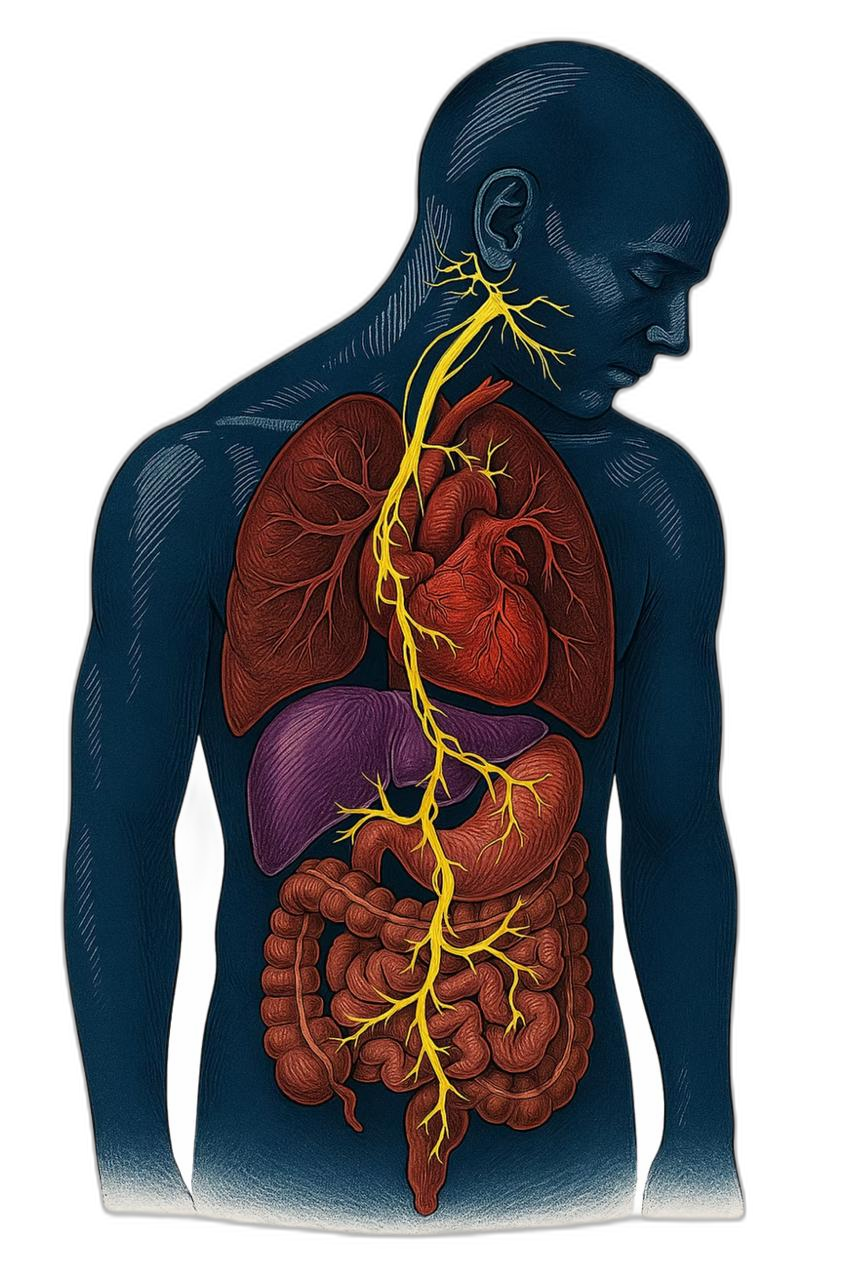
The vagus nerve wanders from the brainstem down through the heart, lungs, and gut. That single reach is why gentle work at the upper neck can ripple all the way into digestion, immunity, and calm.
Presenter cutout zone
(kept clear)
(kept clear)
The research
Brain-Gut before Gut-Brain
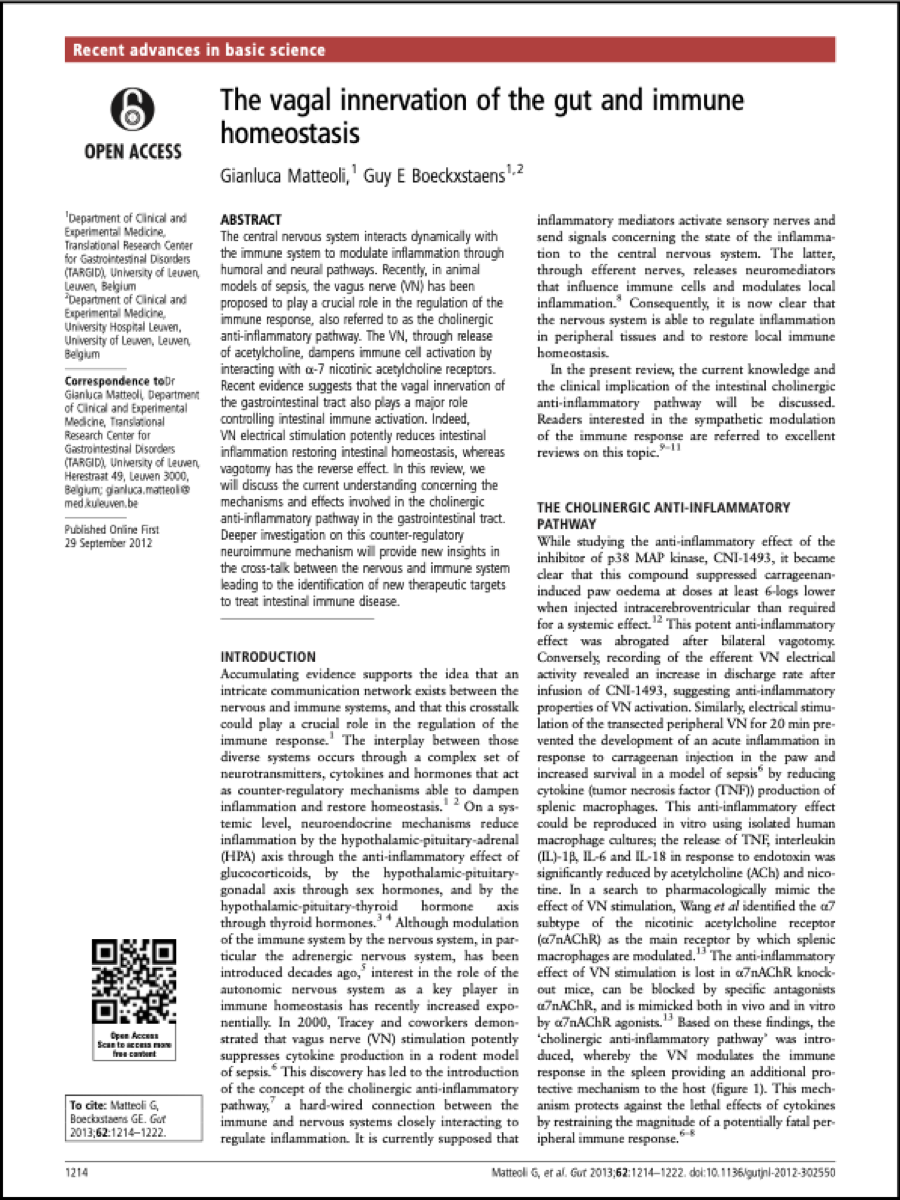
Vagal nerve stimulation reduces intestinal inflammation. The brain-gut direction comes first: the nervous system sets the conditions the gut then lives in.
Presenter cutout zone
(kept clear)
(kept clear)
Developmental Diaschisis
One area, distant effects

Cerebellar dysfunction in a critical period can produce effects far from the original site. (Wang et al., Princeton.)
Presenter cutout zone
(kept clear)
(kept clear)
“
Diaschisis (from the Greek for "shocked throughout") is a sudden change of function in a part of the brain connected to a distant, injured area.
Definition
Presenter cutout zone
(kept clear)
(kept clear)
Developmental Diaschisis
Distortion of the
developing map.
Early stress in one place can throw off development somewhere else entirely.
Presenter cutout zone
(kept clear)
(kept clear)
The problem, in three words
Subluxation =
Disconnection.
Interference in the communication between brain and body.
Presenter cutout zone
(kept clear)
(kept clear)
The work, in three words
Chiropractic =
Restoration of connection.
We remove the interference so the brain and body can communicate again.
Presenter cutout zone
(kept clear)
(kept clear)
What improves first
Quality of life leads
Quality of life improves first: sleep, eating, the bathroom, haircuts, fewer meltdowns. Then the brain has room to heal. Parents feel the daily struggles ease before they ever see the bigger changes, and that is exactly the order we expect.
Presenter cutout zone
(kept clear)
(kept clear)
+
The Solution
Neurologically-Focused
Care at Van Every
Gentle, light-touch care that supports the nervous system from the inside out.
Presenter cutout zone
(kept clear)
(kept clear)
Why families come to Van Every
The challenges parents bring us
- The focus struggles and constant motion of ADHD, and the meltdowns and overload of sensory processing.
- The worry, racing heart, and sleepless nights of anxiety and chronic stress.
- The inconsolable crying, gas, and reflux of colic and infant digestive distress.
- Bedwetting, eczema, and growing pains that never seemed to have a clear answer.
- Support for kids with complex needs, including children with epilepsy, autism and other severe neurological challenges.
- One thread runs through all of it: a nervous system stuck in stress. We support that root cause.
Presenter cutout zone
(kept clear)
(kept clear)
Where this fits
Inside-out, not outside-in
Most approaches work from the outside in: the diet, the therapy, the supplement, the medication, all good and all downstream. This works from the inside out, starting at the nervous system itself, the source. We are not asking you to stop the outside-in work, we are giving it a foundation to land on.
Presenter cutout zone
(kept clear)
(kept clear)
How we adjust
Gentle and specific: no cracking, popping, or twisting
01
Gentle Tonal Adjusting
A gentle, tonal, nervous-system-focused approach to the adjustment.
Light touch02
Koren Specific (KST)
Precise, low-force adjusting that is safe and comfortable for children of all ages, including infants.
Specific03
Ultra-Gentle for Little Ones
For babies, about the same pressure as checking a ripe tomato. No cracking or popping; many sleep right through.
Ripe-tomato gentlePresenter cutout zone
(kept clear)
(kept clear)
The best line for a nervous parent
“
We are not putting something into the child. We are helping the body release something it has been holding. The adjustment is neurologically pleasing, not invasive.
Gentle and specific. Safe for newborns through grandparents.
Presenter cutout zone
(kept clear)
(kept clear)
We don't guess, we test
INSiGHT scans show it objectively
01
Neurothermal
Shows interference and inflammation along the spine, where the nervous system is working too hard.
Interference02
Surface EMG
Reads motor and neuro tone, how much energy the muscles and nerves are burning.
Tone03
HRV
Heart-rate variability: the balance between the vagal calm side and the sympathetic gas side.
BalancePresenter cutout zone
(kept clear)
(kept clear)
We don't guess, we test
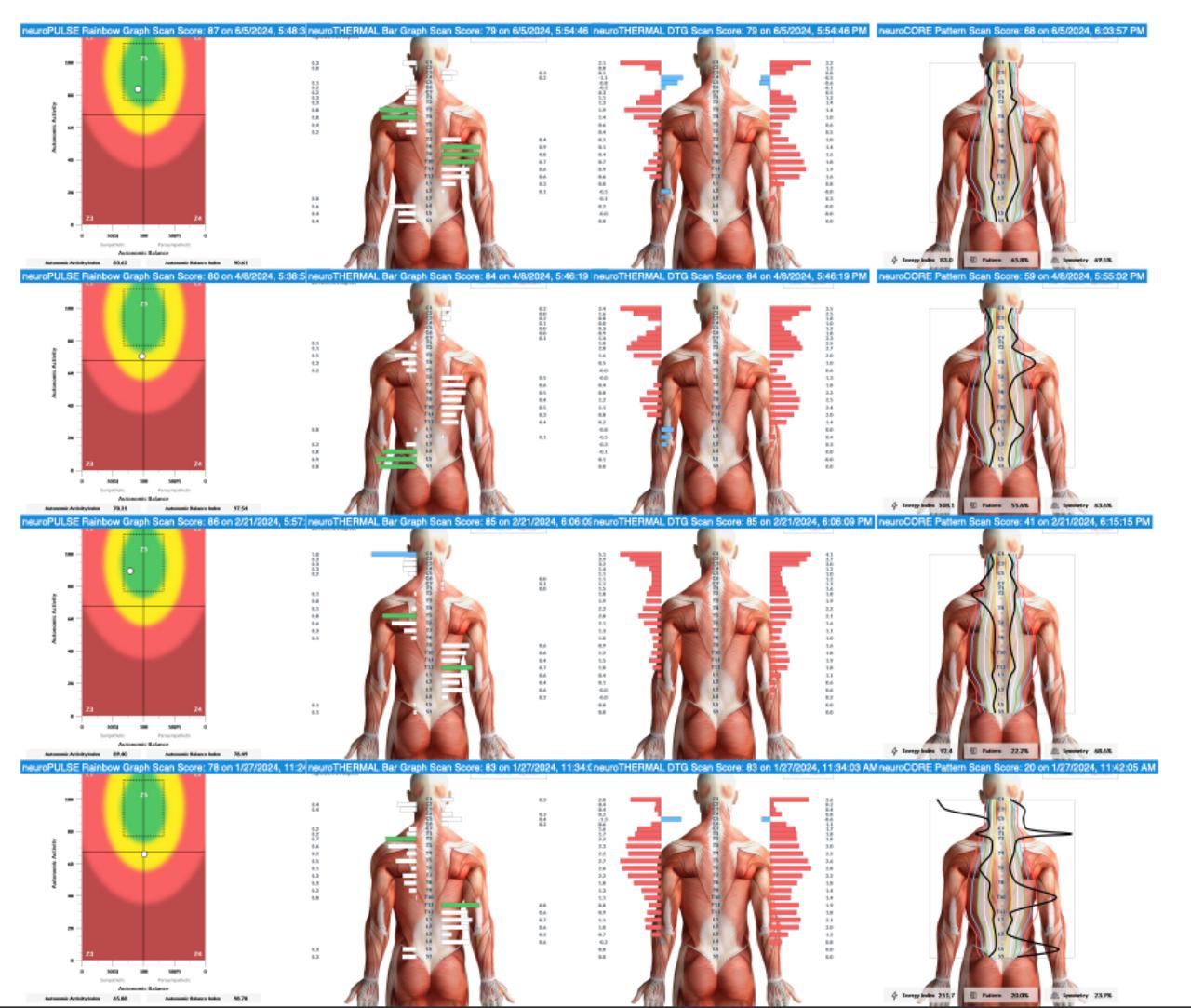
What the scans actually look like
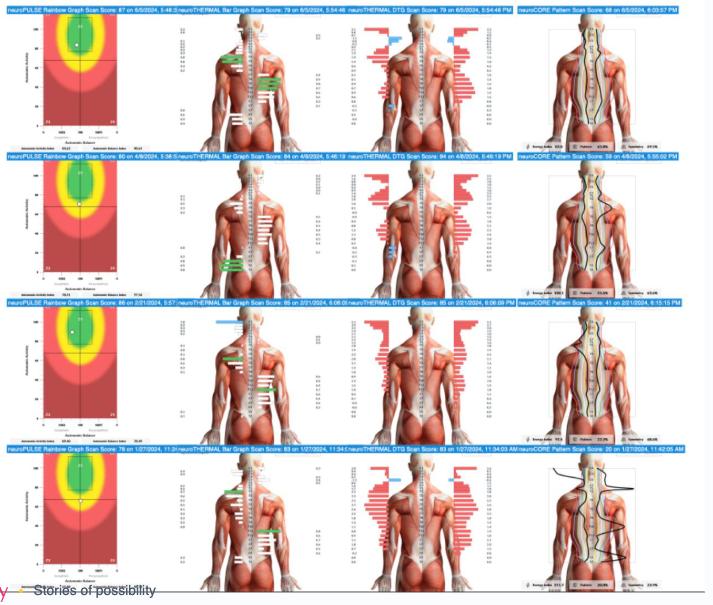
The colors map where the nervous system is working too hard, and the same scans, repeated over time, show the pattern moving. We don't guess, we test.
Presenter cutout zone
(kept clear)
(kept clear)
INSiGHT scans · a pattern parents remember
Three patterns on the scan
Raging Bull
Gas floored · tank full
High-energy, classic hard-charging presentation. Plenty still in the tank, the system is running hot.
Gas ▲Brake ▽
Drunken Bull
Gas on so long · tank low
Things go quiet and flat: low tone, poor focus and memory. Stuck on so long it ran low.
Gas ▼Brake ▽
Raging + Drunken
Gas + brake at once
Chaos throughout the system, gas and brake pressed together. The scattered, mixed presentation.
Gas ▲Brake ▲
Presenter cutout zone
(kept clear)
(kept clear)
We don't guess, we test
The three patterns, on a real scan
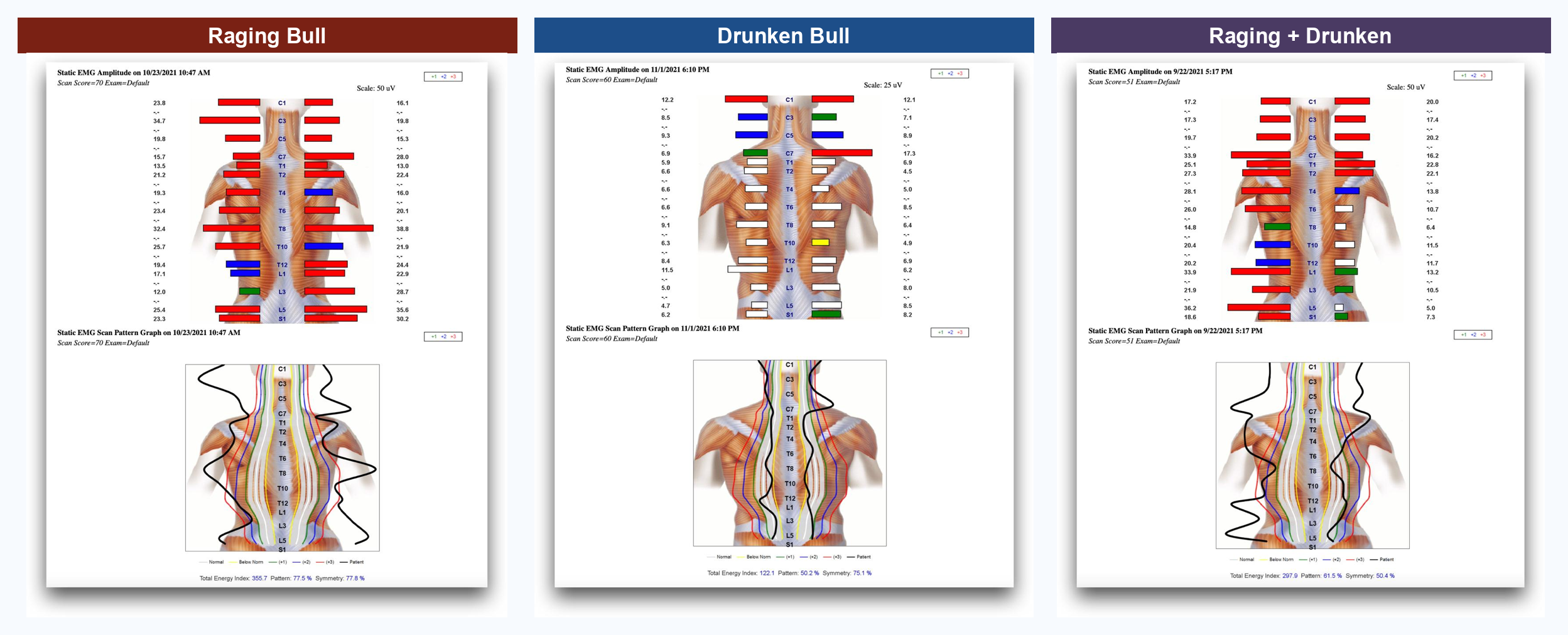
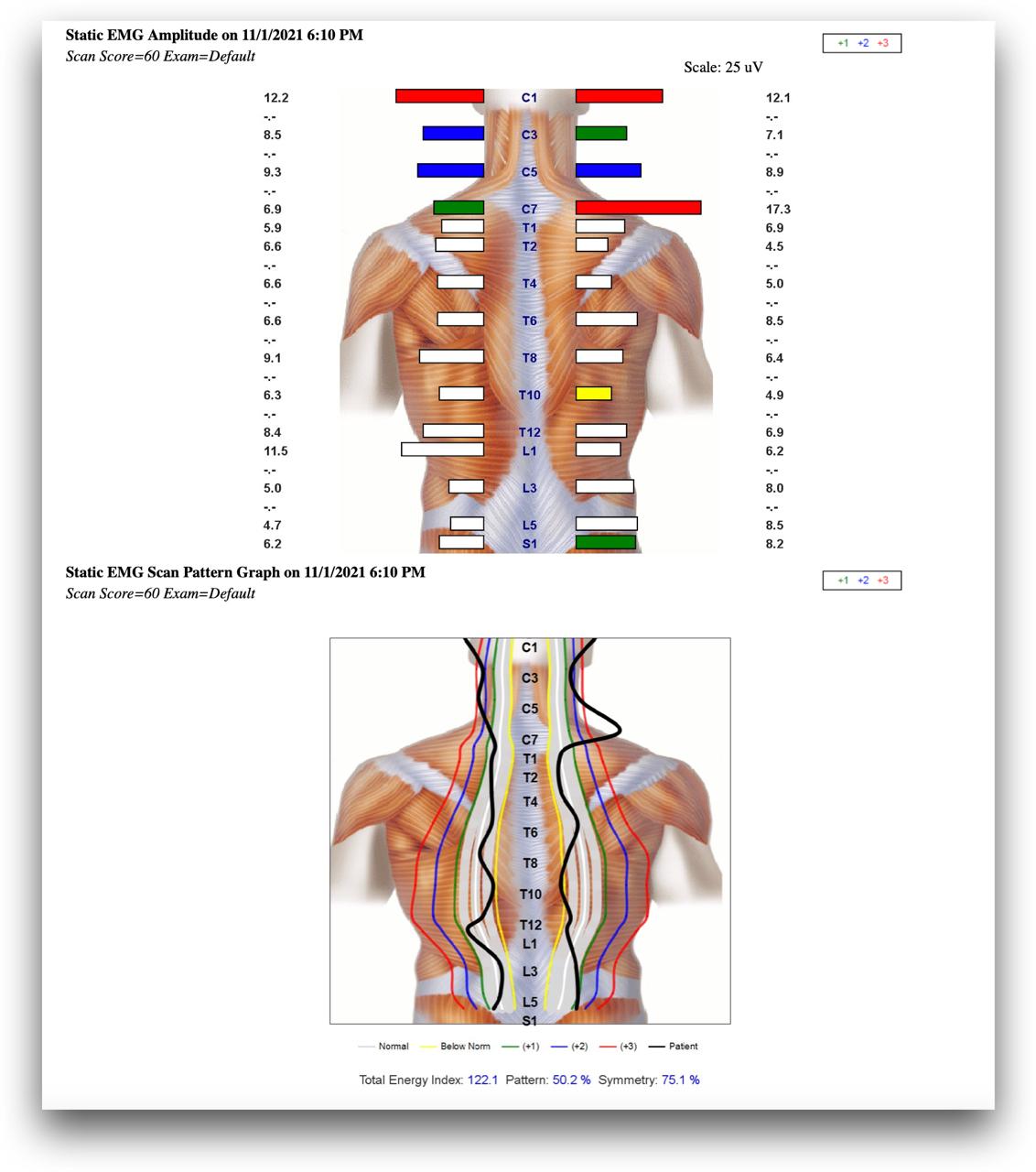
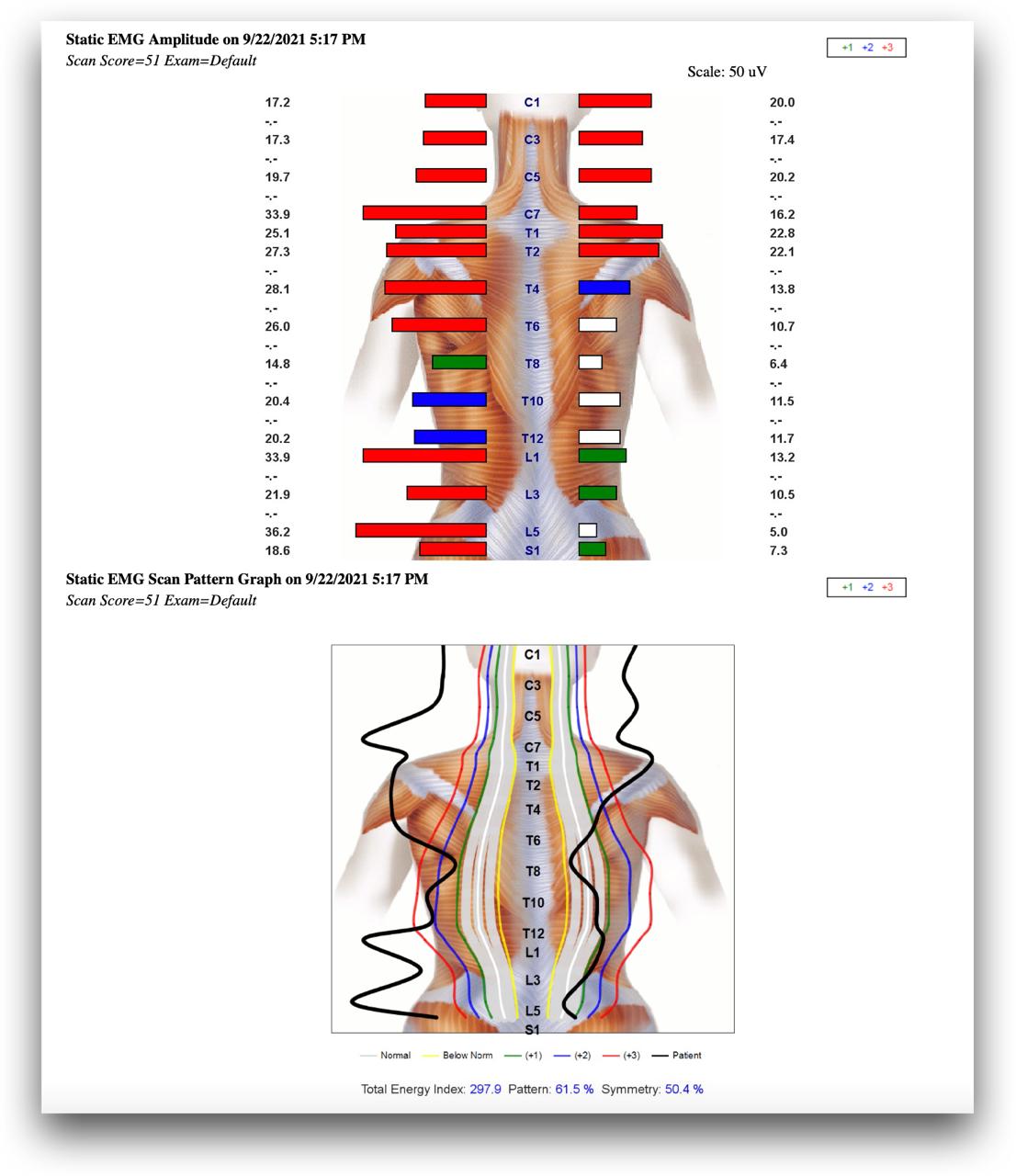
Three real surface-EMG scans, side by side. Drunken Bull has run the tank low, Raging Bull runs hot, and Raging + Drunken shows both at once. Parents recognize their child instantly.
Presenter cutout zone
(kept clear)
(kept clear)
Pattern 1 · Raging Bull
Gas floored, tank still full
The classic high-energy, hard-charging presentation. The sympathetic gas pedal is floored and there is plenty still in the tank. These are often the kids who seem to never stop, big reactions, hard to settle, running hot.
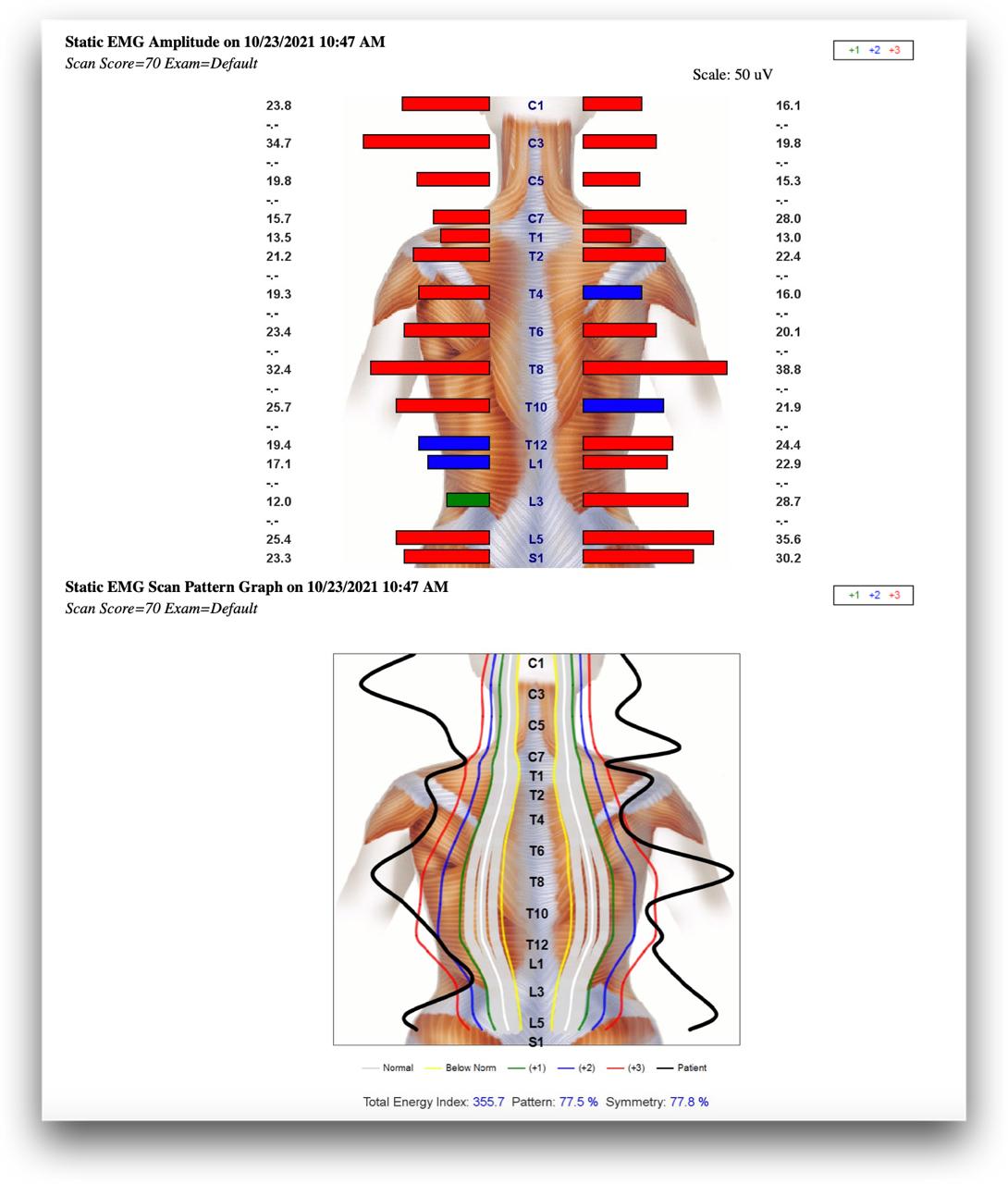
Presenter cutout zone
(kept clear)
(kept clear)
Pattern 2 · Drunken Bull
The tank ran low
The gas has been on so long that the tank ran low, so things go quiet and flat: low tone, poor focus and memory, low engagement. These kids can be mislabeled as lazy or checked-out, when really the system is exhausted.
Presenter cutout zone
(kept clear)
(kept clear)
Pattern 3 · Raging + Drunken Bull
Gas and brake at once
The scattered presentation: gas and brake pressed at the same time, chaos throughout the system. High reactivity in one moment, shutdown the next. A picture parents instantly recognize in their own child.
Presenter cutout zone
(kept clear)
(kept clear)
In their own words
What parents and patients often report
- Calmer, more settled kids, with an easier time shifting out of stress.
- Better sleep: falling asleep more easily and staying asleep.
- Smoother digestion and fewer everyday tummy troubles.
- A greater ability to handle hard moments without melting down.
- An overall sense of more room to grow, learn, and connect.
Presenter cutout zone
(kept clear)
(kept clear)
♡
Stories of Hope
What is
possible
Real families from our own office, in their own words. Every quote on the next slides is taken directly from what a parent wrote; nothing is edited beyond shortening.
Presenter cutout zone
(kept clear)
(kept clear)
Stories of Hope · In their own words
Autism · school regression reversed
★★★★★
Earlier this year there were lots of changes in Nicholas’ school and a series of events with new staff sent him into a tailspin.…My sweet boy regressed so far back beyond where he was before we even had him diagnosed.…I began trekking from Farmington Hills to Royal Oak in hopes that this would help my sweetest boy. You guys, he is COMPLETELY DIFFERENT.…In the months of May and June I had NO problems with Nicholas at school. None.
— The mother of a son with autism, Farmington Hills
Shared on our blog, in her own words · every word is the parent’s own
Presenter cutout zone
(kept clear)
(kept clear)
Stories of Hope · In their own words
Toe walking · gone
★★★★★
The Drs. also helped my oldest son (13.5 yrs old) with his toe walking (ages 4-12'ish years--he no longer walks on his toes) and his sore muscles from playing travel soccer and basketball… You know something is working when both boys ask to go get an adjustment!… the youngest is so relaxed he falls asleep before we get home--which is only 1 mile away!
— A mom of two boys, one a 13-year-old who toe walked for years
Google review · every word is the parent’s own
Presenter cutout zone
(kept clear)
(kept clear)
Stories of Hope · In their own words
A teen's turnaround
★★★★★
My 12 yr old son was a mess of hormones, depression and his posture was awful. Within two weeks his whole demeanor changed and within a month he was standing straight and tall! Our entire family now thrives under their care
— The mother of a 12-year-old son
Google review · every word is the parent’s own
Presenter cutout zone
(kept clear)
(kept clear)
Stories of Hope · In their own words
Eczema cleared · torticollis resolved
★★★★★
I also bring my son in. He started going in for his eczema, which has cleared up nicely, and more recently for a sudden onset of torticollis. He came home from school one day with his neck stuck to the left, his ear touching his shoulder. Couldn't move, in severe screaming pain. …The next morning he went right in… and back again that afternoon. By the end of the day, his head was straight up and he was pain free!
— A mom whose son woke up with his neck locked sideways
Google review · every word is the parent’s own
Presenter cutout zone
(kept clear)
(kept clear)
Stories of Hope · In their own words
Two boys · bedwetting stopped, new words
★★★★★
Since seeing Dr. Zach, my children have made significant gains: they are both more regulated, happier, have stopped bedwetting, gained new words in their speech, and improved in overall communication. Dr. Zach uses a gentle yet effective approach that myself and my sons are comfortable with.… I would recommend him to anyone that wants to truly heal and live life to their full potential.
— A Cultivate Wellness mom of two boys
Shared on our Instagram · every word is the parent’s own
Presenter cutout zone
(kept clear)
(kept clear)
What is possible
Guru's story
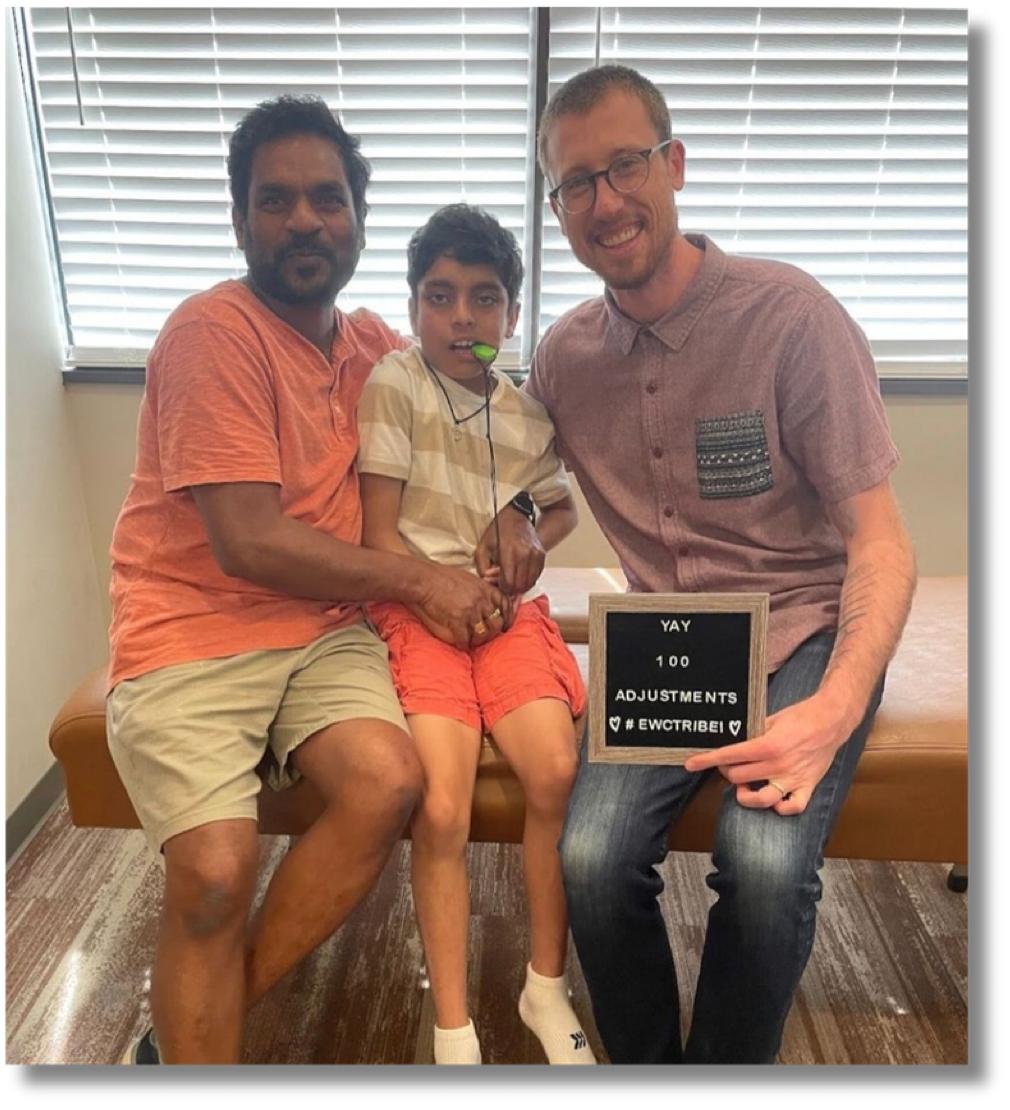
When Guru first came in he was nonverbal, still in diapers and bed-wetting, and having regular seizures — and he could not sit still, so adjustments were practically a sport: half chasing him, half dancing with him.
By around six months of care:
- Fully potty trained, with bladder control
- Seizure-free for more than a month
- Better eye contact and real engagement
“The coolest kid, the coolest heart” — this photo marks his 100th adjustment, with an amazing dad beside him at every visit.
Presenter cutout zone
(kept clear)
(kept clear)
A case example
Presenter cutout zone
(kept clear)
(kept clear)
Action Steps
Your next two steps
01
1 · Keep seeking
Hope, Answers, Help! You are the hero in your child's story, and you are not out of options.
Step 102
2 · Schedule
Book your child's Consult, Scans, and Report of Findings for an objective look at the nervous system.
Step 203
Reach us
Call or text 248.616.0900. Book online any time at vaneverychiropractic.com.
248.616.0900Presenter cutout zone
(kept clear)
(kept clear)
Action Steps
An objective look at the nervous system
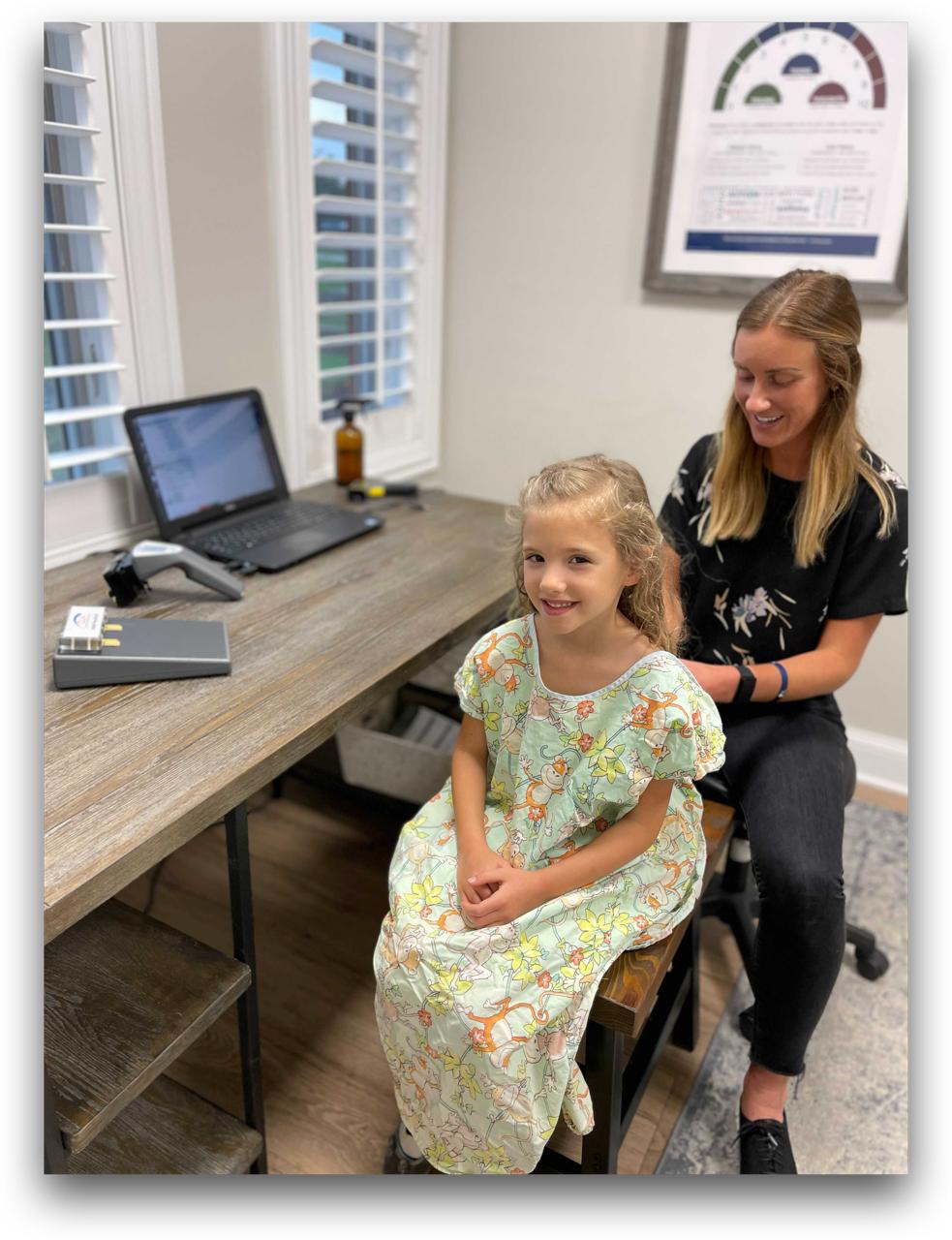
A consult, INSiGHT scans, and a Report of Findings give you a clear picture of where your child's nervous system is carrying stress, and a plan in the right order. Call or text 248.616.0900 or book online.
Presenter cutout zone
(kept clear)
(kept clear)
Our 3-Step Clinical Process
How we start with every family
01
1 · We listen
We listen and dive deep into your child's case history. The story almost always holds the pattern.
History02
2 · Neuro-Sensory Scans
Neuro-Sensory Stress Scans with INSiGHT. We don't guess, we test.
INSiGHT scans03
3 · Report + Plan
A Report of Findings and a personalized Care Plan, root cause, in the right order.
PlanPresenter cutout zone
(kept clear)
(kept clear)
Gentle and child-friendly
The scan itself is easy
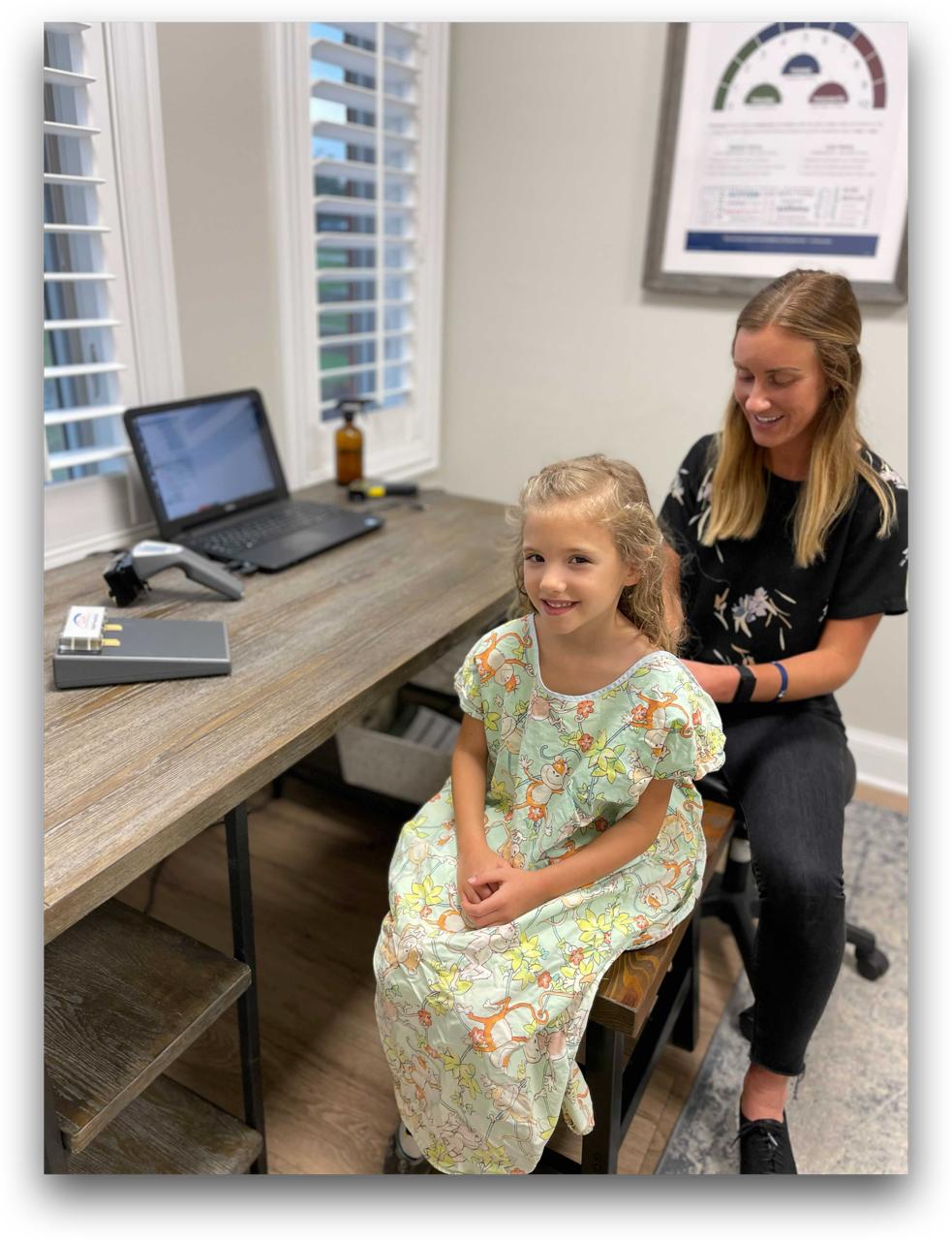
The INSiGHT scans are non-invasive and quick, no radiation, no needles, nothing the child has to do. Most kids find it easy, even fun. It simply listens to what the nervous system is already telling us.
Presenter cutout zone
(kept clear)
(kept clear)
FAQ · How long does it take?
The earlier we support it, the easier it changes
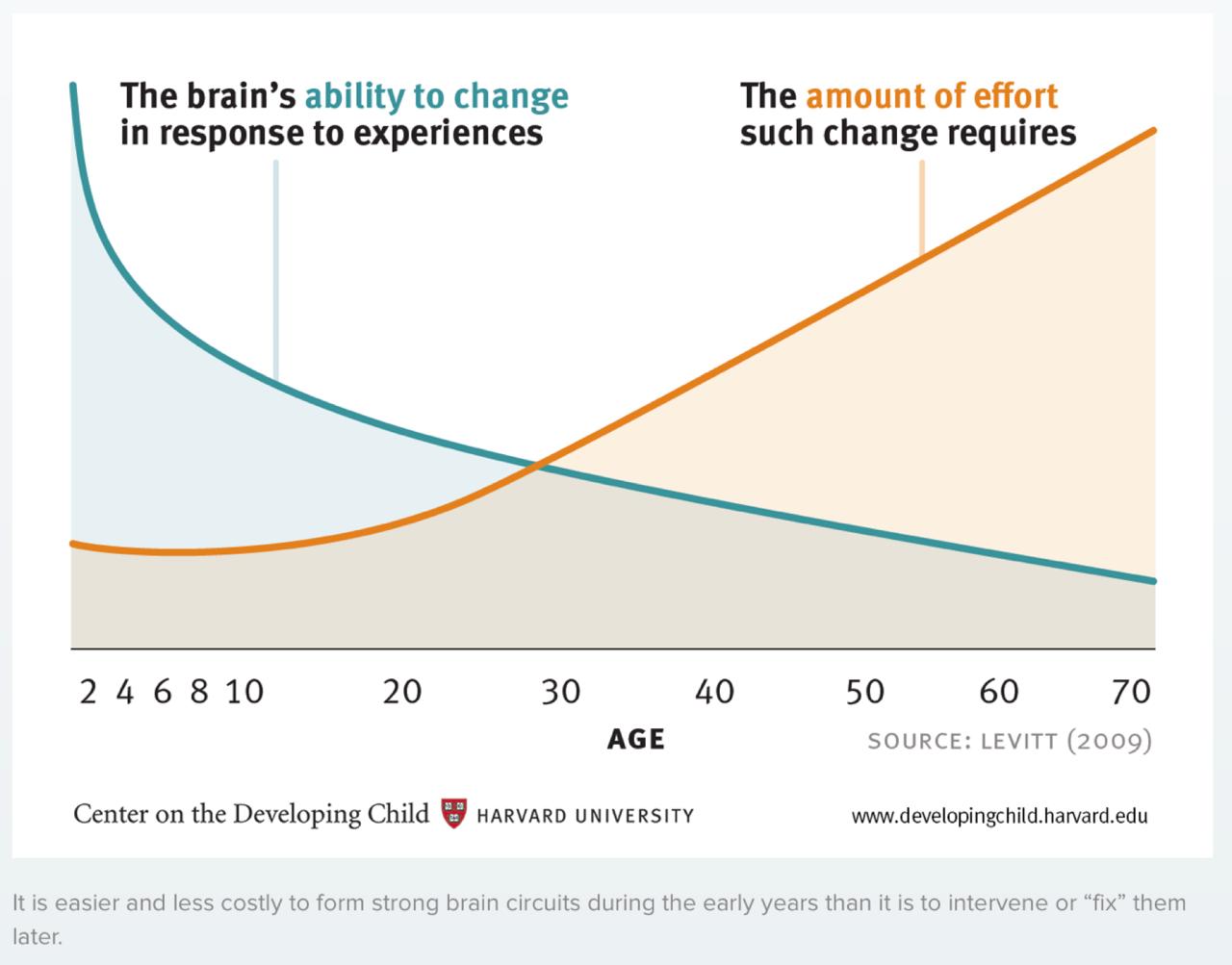
A nervous system is most adaptable early, and change takes more time and effort the longer a pattern has been stuck on. That is why timelines vary, and why it is never too late to start.
Presenter cutout zone
(kept clear)
(kept clear)
FAQ · But what if my child won't sit still for an adjustment
We do not need them to sit still
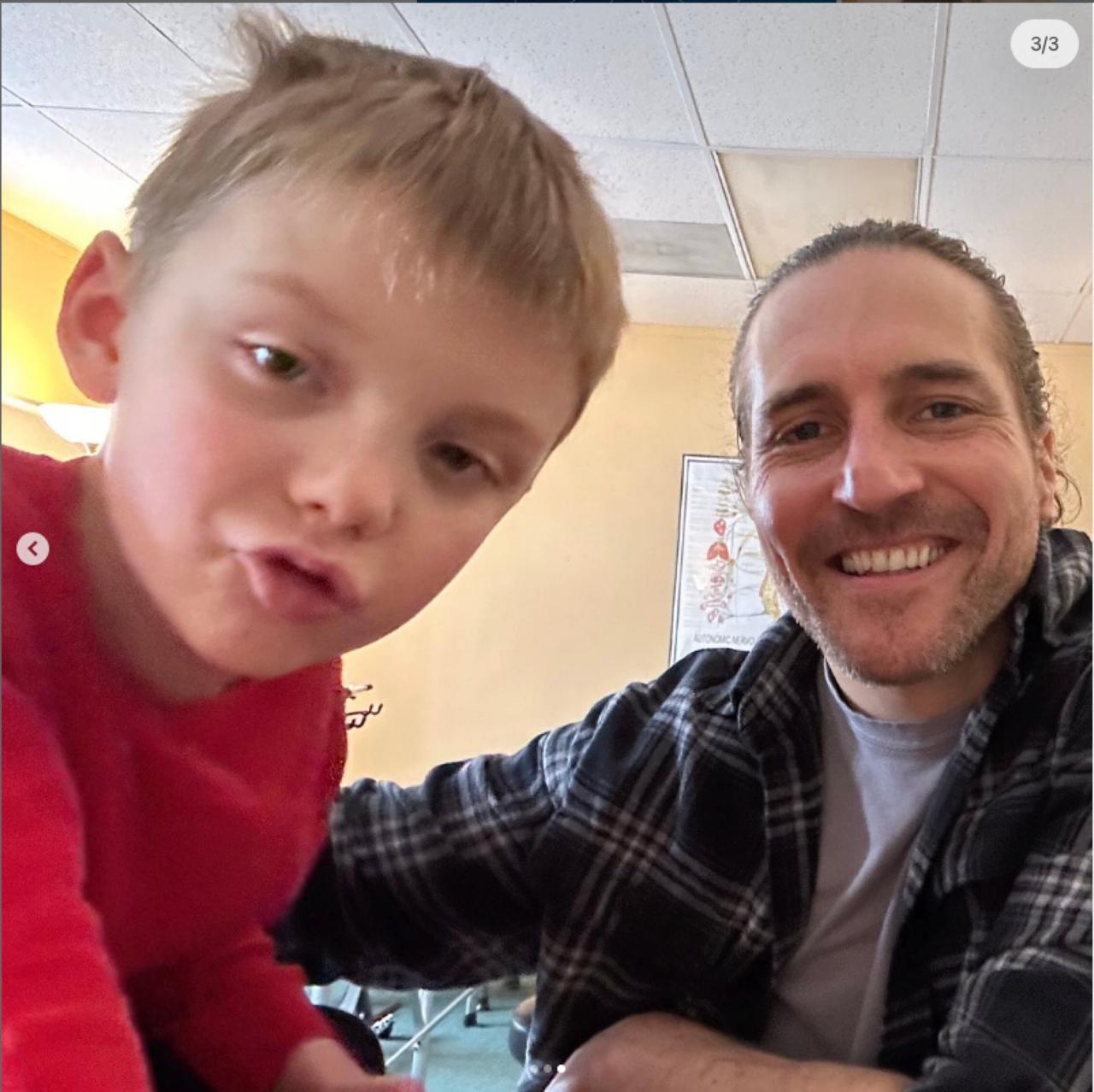
The care is gentle and light-touch, and it meets your child where they are, on the floor, in your arms, however they are comfortable. No cracking, no force, no fight.
Presenter cutout zone
(kept clear)
(kept clear)
Van Every Family Chiropractic
You are the hero
in your child's story.
Call or text 248.616.0900 · vaneverychiropractic.com · Royal Oak, MI
Presenter cutout zone
(kept clear)
(kept clear)